
Parents and Coaches
-Parents
As a parent, you have a front-row seat to every high and low your child experiences in their sport and that position comes with its own unique pressures. You want to be supportive without being overbearing. You want to encourage without adding to the stress they already feel. You want to know when to push and when to back off. These are not easy lines to walk, and most parents are figuring it out without any guidance specifically designed for them.
Working with parents directly and not just with their children is something I genuinely believe in. When a parent understands the basics of mental performance, it changes how they talk to their athlete before a competition, how they respond after a loss, and how they support the development of a healthy competitive mindset at home. The language a parent uses in the car ride home from a game matters more than most people realize. We can work together on how to communicate in ways that build your child's confidence rather than unintentionally undermining it, how to manage your own anxiety as a sports parent so it does not transfer to your athlete, and how to create an environment at home where mental skills are treated as seriously as physical training.
Coaching parents is not about telling you that you are doing it wrong, as someone without kids, I am in no position to teach you how to be a parent. It is about giving you a clearer framework and better tools so that the support you are already giving lands the way you intend it to.
-Coaches
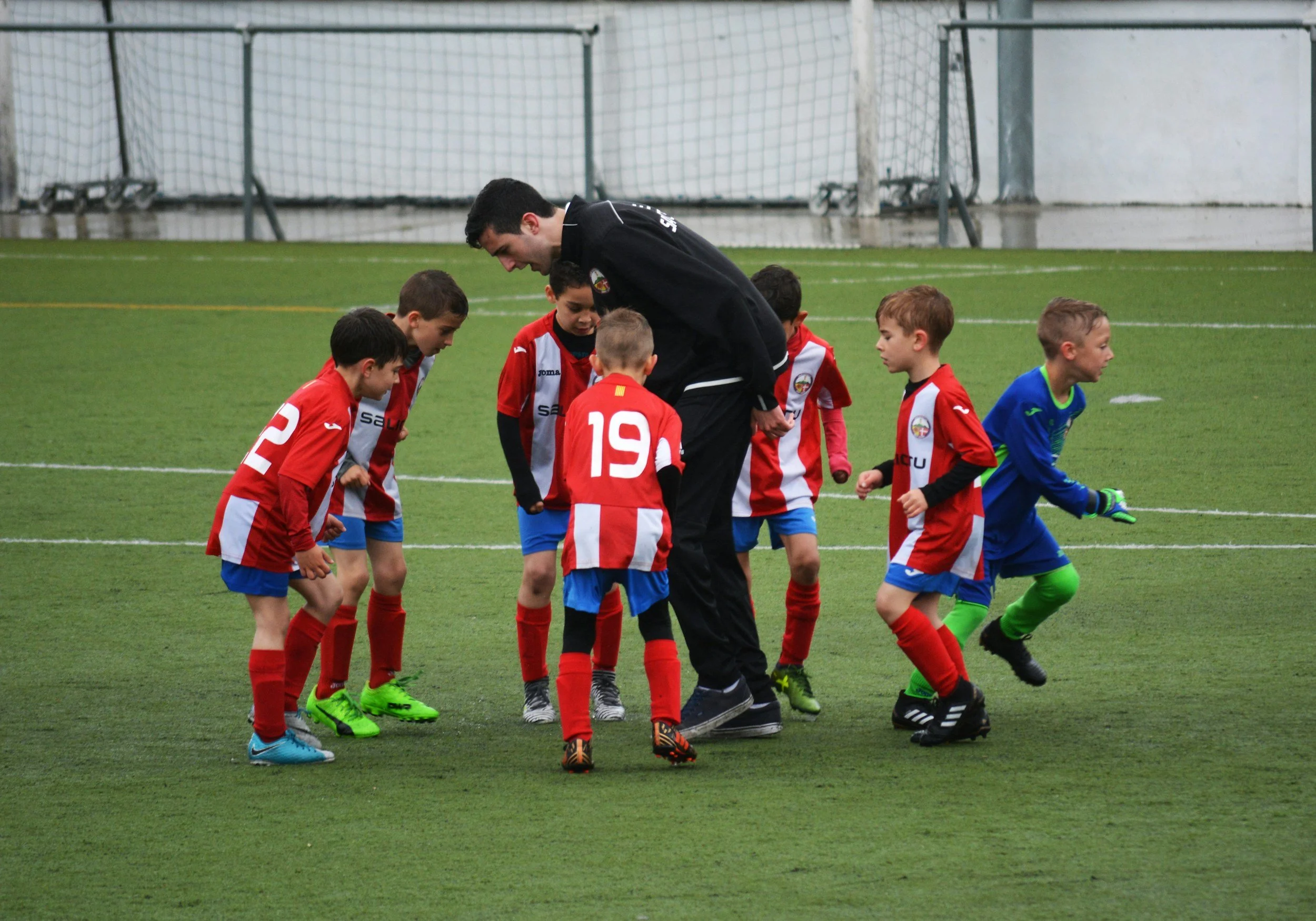
Coaches play a vital role in the lives of hundreds if not thousands of people. The impact a great coach can have on someones life may change them forever, and the skill sets needed are not all physical performance based.
Coaching is one of the most mentally demanding jobs in sports, and yet very few coaches ever receive training on how to manage that demand themselves. The pressure of winning, the responsibility of developing young people, the challenge of managing personalities, and the emotional weight of being a role model can wear on even the most experienced coach over time. When we work together, the focus can shift entirely to you; your stress, your communication style, your leadership approach, and your own mental performance under pressure. A coach who has sharpened their own mental game is in a far better position to recognize what their athletes need and respond to it effectively. Strong teams are almost always built on strong coaches, and investing in your own mental development is one of the most impactful things you can do for the people you lead.